
Bwindi Impenetrable National Park Guide
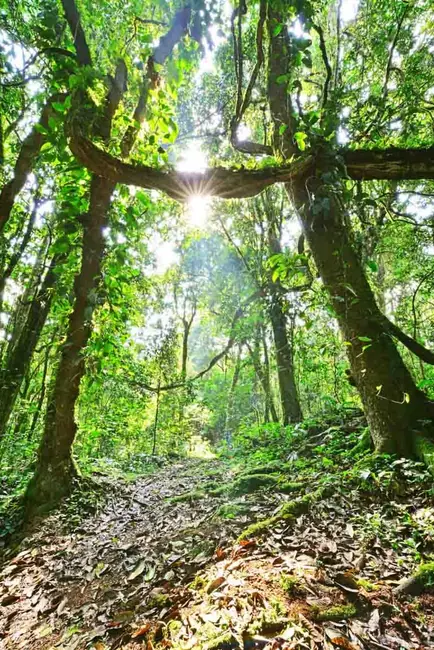
Bwindi Impenetrable National Park is one of Uganda’s most distinctive protected landscapes. The forest covers steep hills in the country’s south-west, with dense vegetation, deep valleys and a remarkable range of plants and animals. Most visitors come hoping to see mountain gorillas, yet the park deserves more attention than a single wildlife encounter. The surrounding communities, varied trekking areas and scenery shape the experience from the moment you arrive.
A visit requires more preparation than a conventional game drive. You need to know where your gorilla permit starts, how long your road transfer may take and which lodge is practical for that starting point. You should also understand that the forest is mountainous and frequently damp. This Bwindi Impenetrable National Park guide explains those decisions in simple terms, helping you choose a suitable route without rushing between distant sectors.
The Uganda Wildlife Authority manages gorilla tracking and other authorised park activities. Your guide and the park’s briefing staff should be the final source of operational instructions. The information below is intended for trip planning and should be checked against current permit rules and visitor notices before travel.
Where is Bwindi Impenetrable National Park?
Bwindi lies in south-western Uganda near the border with the Democratic Republic of the Congo. Its steep terrain forms part of a larger region of forests, farms and highlands. Travellers commonly approach from Kampala or Entebbe, from other western Uganda parks, or from Kigali in neighbouring Rwanda when the relevant border arrangements are suitable.
There is no single accommodation village or entrance that serves every gorilla trek. Instead, the park has several main tracking sectors, each reached by different roads. This is the first point to settle when preparing your itinerary. A hotel described as being ‘near Bwindi’ may still be far from the actual meeting point printed on your permit.
The four main gorilla trekking sectors
Buhoma sector
Buhoma is in the northern part of Bwindi and has an established visitor area with several accommodation levels. It is often considered when combining gorilla trekking with the Ishasha area of Queen Elizabeth National Park. Lodges vary in their distance from the visitor briefing point, so ask for a realistic morning transfer time rather than relying on the stated distance to the national park boundary.
Beyond tracking, the wider Buhoma area offers opportunities to learn about local communities and forest-edge life through appropriately arranged activities. Visitors who want some time outside the vehicle may appreciate an extra afternoon here. Such activities should be selected with the community provider and scheduled around the physical demands of your trek.
Ruhija sector
Ruhija sits in the eastern highlands and is known for its elevated forest setting. Cooler conditions and misty mornings are common features of the landscape. It can appeal to travellers who enjoy birdwatching and want to spend more time in a quiet forest environment. Roads to the sector can be rough and travel times should be planned conservatively.
The altitude and hills can make the forest feel physically demanding, although actual tracking routes are assigned according to current gorilla movements and park procedures. A comfortable lodge close to the correct briefing location can reduce unnecessary early morning driving.
Rushaga sector
Rushaga lies towards the southern side of Bwindi. It is one of the locations associated with gorilla tracking, and the wider southern region is important for planning specific gorilla experiences. Visitors should confirm exactly which activity their permit covers, because standard tracking and habituation experiences are separate products with different arrangements.
Southern Bwindi can connect with routes through Kisoro and other parts of south-western Uganda. The roads are scenic, but bends, hills and variable surfaces can slow travel. Allow extra time rather than treating the drive as a quick transfer between neighbouring pins on a map.
Nkuringo sector
Nkuringo is also in the south and is associated with dramatic highland scenery. Some accommodation enjoys broad views across valleys and the surrounding mountains. Travellers interested in walking and landscapes may find the area particularly appealing, although access can involve steep roads and careful transfer planning.
There is no need to choose a sector solely on the expectation of a longer or shorter trek. Mountain gorillas move freely, and trekking conditions vary. The permit, accommodation, road route and personal fitness matter more than promises of an easy encounter.
Gorilla trekking: what happens on the day?
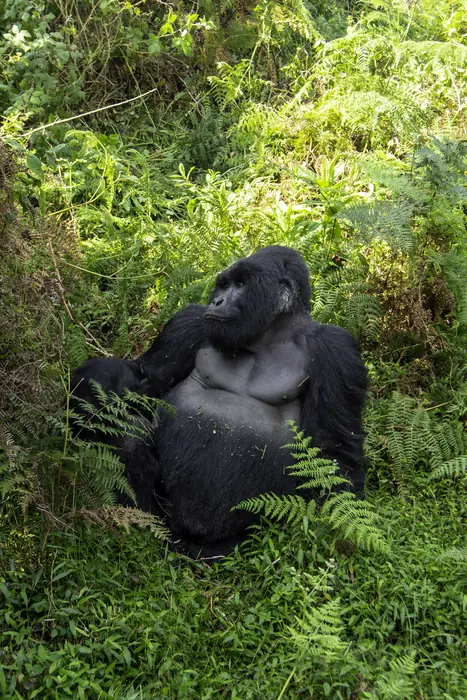
Tracking normally begins with an early briefing at the designated entry point. Staff review documents, explain the rules and arrange visitors into guided groups. You then walk into the forest with trained park personnel. The route may cross slippery slopes, thick undergrowth and sections without a clearly defined path. Some walks are relatively short, while others require sustained effort.
When the trackers locate a habituated family, you follow instructions about observation distance and visitor behaviour. The standard tracking experience allows a limited period with the gorillas. Do not approach animals independently, use flash photography or attempt to attract their attention. Calm behaviour protects visitors, guides and gorillas alike.
The day should not be planned as though it ends at a guaranteed hour. Keep the afternoon flexible, particularly if you are travelling with someone who finds steep ground difficult. Good boots, rain protection, water and a small daypack help. You can often discuss porter arrangements locally before the walk.
Other things to do around Bwindi
Although gorilla tracking is the best-known attraction, you can build a fuller stay with birdwatching, guided nature walks and community visits. The availability of individual activities depends on the sector, weather and operator. Some forest trails require park authorisation and a trained guide, while community experiences take place outside the protected forest or along its edge.
Birdwatchers may want to spend more than one morning in the area. Forest birding requires patience because birds are often heard before they are seen. A knowledgeable local guide can help distinguish calls and locate species without disturbing habitat. Carry binoculars and avoid trying to cover too much ground in one short outing.
Community visits work best when you choose experiences run with the meaningful participation of residents. Ask how fees are managed, whether photography is welcome and what the visit includes. Activities involving Batwa heritage deserve particular care, with respect for how local people choose to present their history and present-day lives.
How many days should you spend in Bwindi?
A three-day journey can accommodate the road transfer, one gorilla tracking day and a return drive. It is efficient but involves long travel days. Four days usually gives more breathing room and may allow a local activity or a less tiring transfer schedule. Travellers combining the park with Queen Elizabeth, Kibale or Lake Bunyonyi should allocate separate nights for those places rather than attempting to include everything in an already tight Bwindi visit.
If you are flying into a nearby airstrip, remember that a road transfer remains necessary and may take considerable time depending on the sector. Flights can reduce some long-distance driving, but they do not remove the need for realistic planning at the park end. Confirm luggage limits and flight schedules with the operator before booking.
Choosing accommodation near Bwindi
Accommodation ranges from simple guesthouses to comfortable mid-range lodges and premium forest properties. The right choice depends on your budget, expectations and permit entry point. A well-located simple lodge may be more practical for an early trek than a distant luxury property. Equally, a longer stay at a quiet lodge may suit travellers who want to enjoy the forest rather than focus only on the tracking day.
Look beyond attractive room photographs. Check road access, meals, hot water, electricity arrangements, walking paths and the distance to the briefing point. Some properties have steep stairs or paths between rooms and shared areas. Ask about dietary requirements, family room layouts and whether packed lunches are available for trekking days.
Do not assume accommodation categories mean the same thing at every property. A quoted price might include full board, or it may cover only bed and breakfast. Compare what is included before choosing. Gorilla permits, porter fees, drinks and transfers should appear clearly in your final safari quotation.
Weather and when to visit
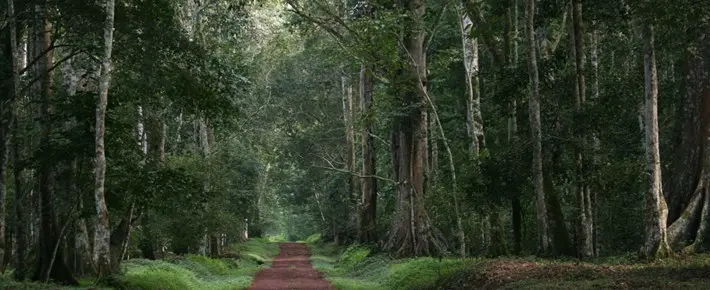
Bwindi remains green because it receives substantial rainfall. Conditions can be wet at different times of year, and the forest floor may stay muddy even after a dry morning. Some periods are generally more convenient for walking, but no month guarantees a dry trek or a clear view. Travellers who prioritise photography should prepare for low light under the canopy as well as sudden showers.
Wear layers rather than relying on one heavy jacket. Mornings may feel cool at higher elevations, particularly before the walk begins. Waterproof boots with a dependable sole are more useful than fashionable trainers. A dry bag or protective cover for electronics is sensible throughout the year.
Responsible travel and conservation
Mountain gorillas are vulnerable to diseases that can pass between humans and great apes. The park sets health and contact rules for good reason. Tell your operator if you become ill before tracking and follow the directions provided by Uganda Wildlife Authority staff. Avoid littering, keep noise low and remain with your group. Responsible behaviour matters just as much as purchasing the correct permit.
Supporting locally run guiding, transport and hospitality services can provide direct benefits to communities around the park. Choose authentic experiences, respect the privacy of residents and ask permission before photographing people. Conservation tourism works best when visitors recognise that Bwindi is both protected wildlife habitat and part of a lived-in region.
Practical checklist before departure
- Confirm your trekking date and sector with the permit documentation.
- Select accommodation near the correct entry point.
- Check the full road route and expected transfer times.
- Carry suitable identification and any required travel documents.
- Pack waterproof boots, long clothing, rain protection and water.
- Review travel insurance and any applicable medical advice.
- Keep the afternoon after trekking flexible.
- Check current rules and fees before making non-refundable bookings.
Frequently asked questions
Is Bwindi suitable for first-time safari visitors?
Yes, provided you understand that forest tracking differs from game viewing by vehicle. Preparation, physical comfort and realistic travel times are important. Many visitors combine Bwindi with a conventional savannah safari for greater variety.
Can I visit Bwindi without tracking gorillas?
Yes. You can arrange suitable nature, birding and community experiences where available. However, some forest activities require specific permits and official guiding arrangements.
Are all Bwindi lodges close to every gorilla group?
No. There are different sectors and access roads. Your lodge should match the designated entry point on your permit rather than simply carrying a Bwindi address.
Should I book the permit before my accommodation?
It is generally sensible to establish permit availability and the sector before finalising a non-refundable lodge reservation. Your operator should coordinate both bookings.
Bwindi rewards visitors who allow enough time for the journey and give the forest the attention it deserves. With the right permit, sensible accommodation and flexible expectations, this remarkable part of Uganda can become the centre of a memorable East Africa safari.